FEATURED BOOK REVIEW
Lew Buller, 2005
Saikei and Art, Miniature Landscapes
Privately published. ISBN: 0-9772443-0-X. 179 pages.
By Thomas S. Elias
This contemporary volume is based upon the teaching of Kawamoto Toshio, the Japanese bonsai artist who invented the concept of Saikei in the late 1950s and 1960s and whose English-language books helped popularize Saikei in Western countries. Kawamoto’s congratulatory letter to Buller opens the book, followed by a series of essays that introduce and illustrate in detail the steps for making different types of saikei. It is well written in a friendly, sometimes humorous style rather than a drier, more scholarly one.
Buller states in his preface that it would be more correct to use “Miniature Landscapes Made in California” because the small trees and shrubs used in his tray landscapes grow well in California. It is refreshing, even exciting, to see California Desert and Red Rock Country tray landscapes instead of simply copying a Japanese-scene saikei.
Rating:
Excellent, a highly recommended book for both viewing stone enthusiasts and for bonsai artists who find tray landscapes appealing.
Book Reviews and Language Published
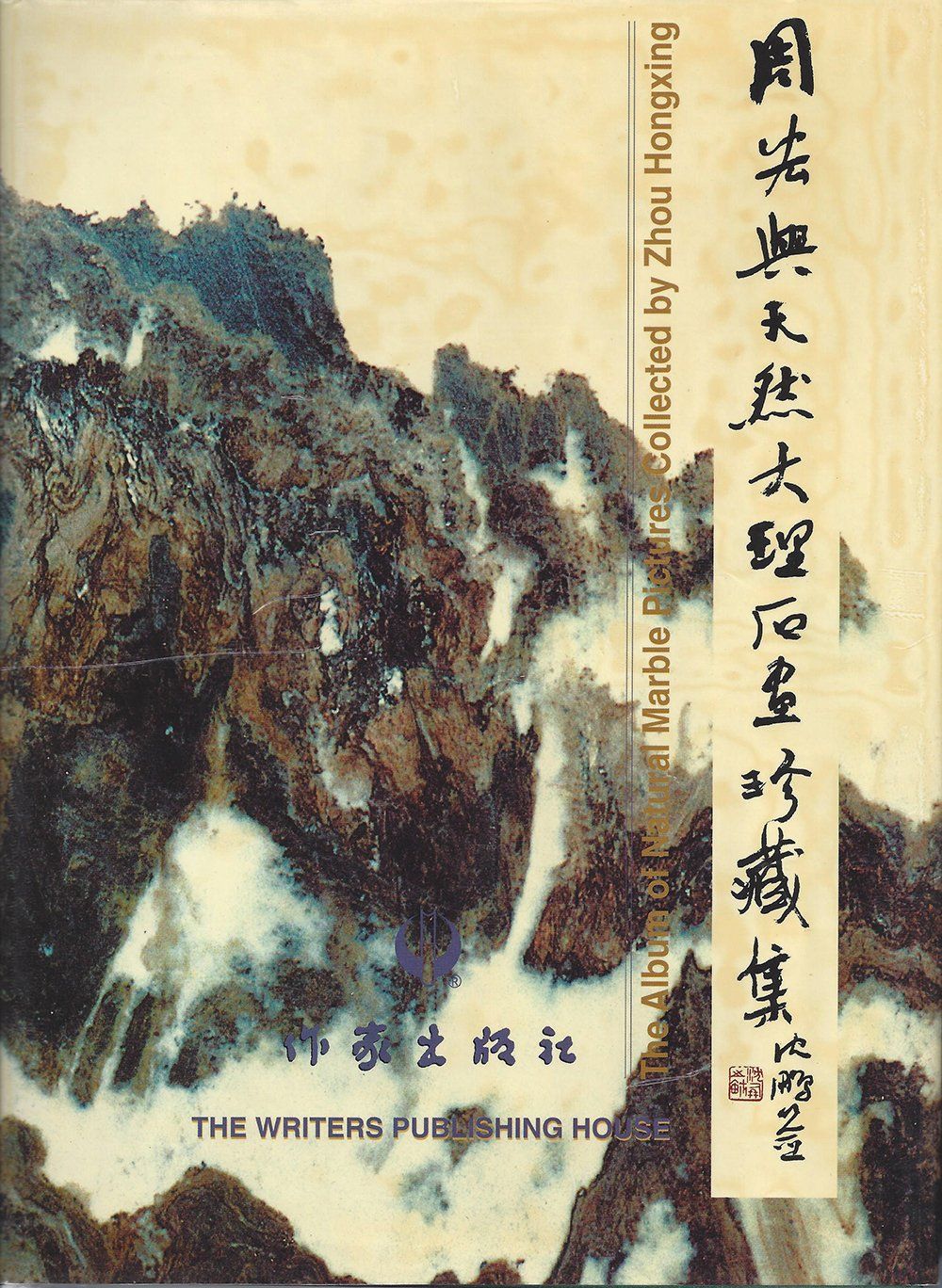
Chinese Books
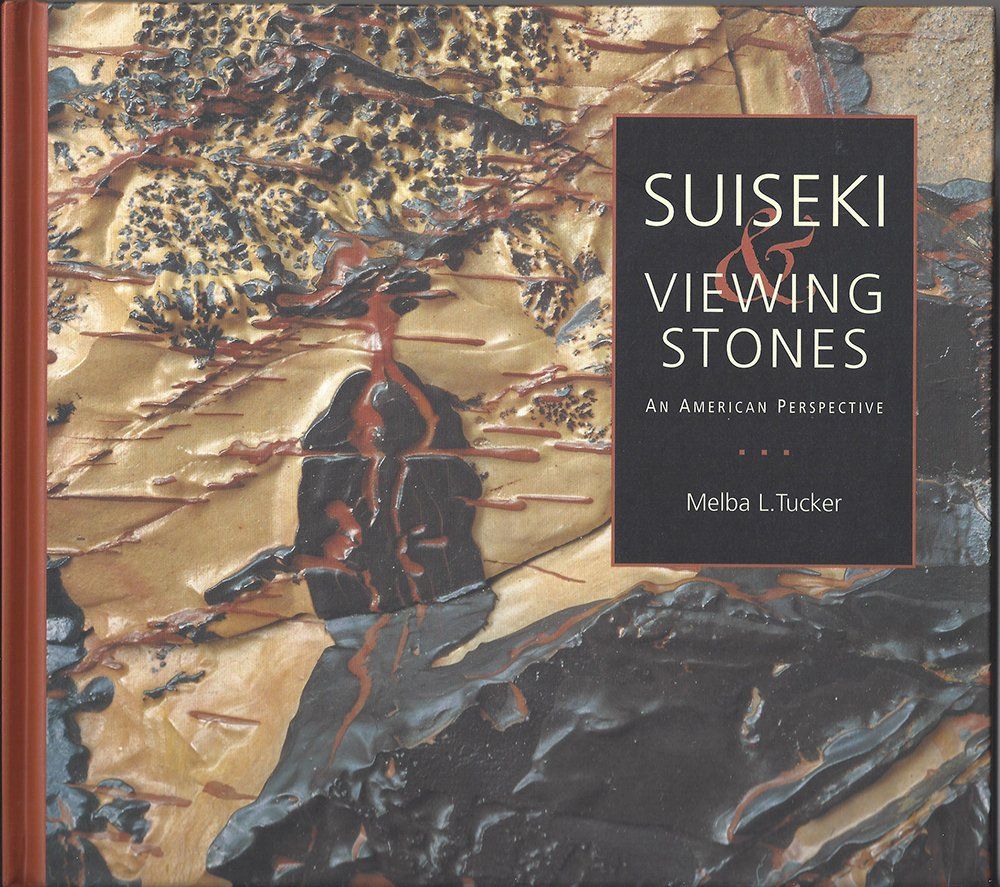
English Books